Understanding Long-Term Healthy Weight Management

From a Nutrition Perspective

Educational Content Only. No Promises of Outcomes.

Welcome to Qiora, an independent educational resource dedicated to providing clear, evidence-informed information about nutrition and long-term healthy living. This site exists to explain fundamental concepts around weight management from a nutritional standpoint. We do not offer medical advice, personal coaching, or services. Everything presented here is for informational purposes only.

Introduction to Energy Balance

Energy balance is the foundation of weight management. At its core, it describes the relationship between calories consumed and calories expended. The human body regulates weight through this balance: when energy intake equals energy output, weight remains stable. When intake exceeds output, weight tends to increase; when output exceeds intake, weight tends to decrease.

This principle applies universally, though the specific factors influencing each side of the equation vary widely from person to person. Understanding energy balance helps contextualize why different approaches to nutrition can support weight management goals.
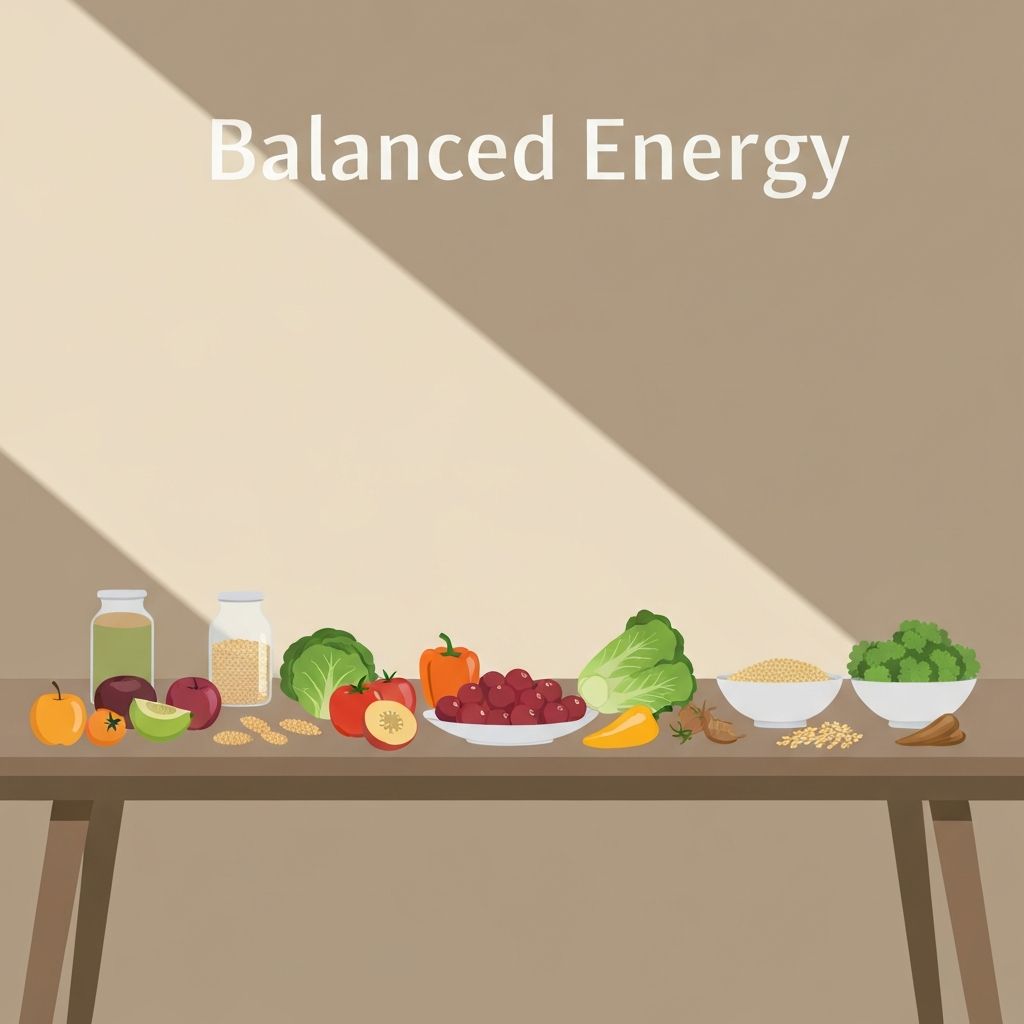

Energy balance concept with balanced foods

The Role of Whole Foods

Nutrient-dense whole foods

Whole foods—vegetables, fruits, legumes, whole grains, nuts, seeds, and unprocessed proteins—form the foundation of sustainable nutrition. These foods are naturally nutrient-dense, meaning they provide vitamins, minerals, fiber, and other beneficial compounds relative to their calorie content.

Key Food Groups:

  • Vegetables: Rich in fibre, vitamins, and minerals with low calorie density
  • Fruits: Natural sugars with fibre, antioxidants, and micronutrients
  • Legumes: Excellent plant-based protein and fibre sources
  • Whole Grains: Fibre, B vitamins, and sustained energy release
  • Nuts and Seeds: Healthy fats, protein, and micronutrients
  • Unprocessed Proteins: Essential amino acids for tissue maintenance and repair

Common Dietary Patterns

Many dietary approaches exist for supporting long-term health and weight management. Rather than endorsing one approach, this section describes how several patterns address core nutritional principles:

Dietary Pattern Key Characteristics Potential Benefits
Mediterranean Emphasis on olive oil, vegetables, whole grains, legumes, fish, and moderate dairy Nutrient-dense, sustainable, research-supported for long-term health
Plant-Forward Prioritizes plant-based foods with optional inclusion of animal products Often lower in calories, high in fibre and micronutrients
Balanced Plate Equal proportions of vegetables, protein, and whole grains at each meal Simple structure, promotes satiety and nutrient variety
Intuitive Approach Focus on hunger cues, food preferences, and satisfaction Sustainable long-term, reduces restriction cycles

Individual preferences, cultural background, and lifestyle determine which pattern is most sustainable for each person. Success depends on consistency and adherence over time, not the specific label of the approach.

Portion Awareness and Mindful Eating

Balanced plate with varied whole foods

Portion awareness is not about restriction or measurement obsession. Rather, it involves understanding appropriate serving sizes and eating until satisfied—not until uncomfortably full. Many people benefit from using simple visual guides, such as filling half a plate with vegetables, one quarter with protein, and one quarter with whole grains.

Mindful Eating Principles:

  • Eat without distraction when possible
  • Recognize hunger and satiety signals
  • Choose foods that taste good and feel nourishing
  • Pace meals to allow satisfaction signals to register
  • Avoid labelling foods as "good" or "bad"

These behavioural approaches support sustainable eating patterns by fostering a positive relationship with food rather than fear or rigidity.

Physical Activity in Lifestyle

Person walking outdoors in nature

Regular movement is integral to overall health and weight management. Physical activity helps maintain muscle mass, supports cardiovascular health, improves mood, and contributes to overall energy expenditure.

Types of Movement:

  • Aerobic Activity: Walking, cycling, swimming, jogging—sustained rhythmic movement
  • Resistance Training: Weights, bodyweight exercises—maintain and build muscle mass
  • Flexibility Work: Stretching, yoga—maintain mobility and reduce injury risk
  • Daily Activity: Occupational movement, stairs, active transport—consistent everyday movement

Consistency matters more than intensity. Many people find sustainable long-term success by choosing activities they enjoy and can incorporate into daily life.

Individual Differences in Weight Management

Weight management is not a one-size-fits-all process. Multiple factors influence how individuals respond to nutritional and lifestyle changes:

🧬

Genetics

Genetic variations influence metabolism, appetite regulation, and body composition distribution. These factors are not destiny—they provide context for individual responses.

📊

Metabolic Rate

Resting metabolic rate varies between individuals based on age, sex, body composition, and genetic factors. Changes in metabolic rate occur with sustained caloric restriction or increased activity.

🧠

Psychological Factors

Stress, sleep quality, emotional relationship with food, and past dieting experiences all influence eating behaviour and weight stability. These factors are significant and deserve attention.

Life Stage

Age, hormonal changes, and life circumstances affect nutritional needs and weight management approaches. What works at one life stage may need adjustment at another.

Recognizing these differences promotes realistic expectations and supports choosing approaches suited to individual circumstances rather than comparing oneself to others.

Building Sustainable Habits

Long-term weight management depends on behaviour change—not short-term dieting. Research on habit formation suggests that sustainable change occurs through stages:

Stage 1: Awareness

Understanding current eating and activity patterns without judgment. Noticing what triggers different behaviours.

Stage 2: Small Changes

Introducing one or two manageable changes at a time. Building consistency before adding new habits.

Stage 3: Integration

New behaviours become automatic and require less conscious effort. They feel natural and aligned with identity.

Stage 4: Long-Term Maintenance

Sustaining changes through life transitions, setbacks, and changing circumstances. Flexibility and self-compassion are essential.

Realistic timeframes for habit formation range from weeks to months depending on complexity. Most sustainable changes occur gradually rather than through dramatic overhauls.

Nutrition Myths Debunked

Myth 1: Carbohydrates cause weight gain
Carbohydrates themselves do not cause weight gain. Weight gain occurs when total calorie intake exceeds expenditure. Carbohydrate-rich whole foods like vegetables, legumes, and grains contain fibre and nutrients that support satiety.
Fact: The source and quantity of carbohydrates matter more than carbohydrates themselves.
Myth 2: You must eliminate favourite foods
Restriction typically leads to unsustainable patterns and increased cravings. Research supports the inclusion of all food groups and flexible eating approaches for long-term success.
Fact: Flexibility and moderation are more sustainable than elimination.
Myth 3: Metabolism can be "broken"
Metabolism adapts to changes in calorie intake and activity, but does not become permanently damaged. Metabolic adaptation is reversible through adequate nutrition and consistent activity.
Fact: Metabolism is resilient and responsive to lifestyle changes.
Myth 4: Eating late causes weight gain
The timing of meals is less important than total intake and consistency. Some people manage hunger better with eating earlier; others prefer flexibility. Individual preference determines what is sustainable.
Fact: Total calorie intake matters more than meal timing.
Myth 5: Exercise alone achieves weight management
Both nutrition and activity contribute to weight management. Physical activity supports overall health and calorie expenditure, but sustained changes in intake typically underpin lasting weight changes.
Fact: Both nutrition and activity are important components.
Myth 6: All calories are equal
While energy balance is fundamental, the nutritional quality of calories differs. Nutrient-dense whole foods support satiety, health, and sustainable eating patterns more effectively than processed alternatives.
Fact: Calorie quantity matters, but so does food quality and nutrient density.

Explore In-Depth Articles

Discover detailed information on key topics related to nutrition and weight management:

Energy Balance article

Energy Balance: The Core Principle

A comprehensive explanation of how calories in and calories out determine weight stability and change.

Read More
Nutrient Density article

What Nutrient Density Really Means

Understanding how to choose foods that provide maximum nutrition relative to calorie content.

Read More
Mindful Eating article

Mindful Eating: Beyond Just What You Eat

Exploring how eating behaviours, awareness, and psychological factors influence long-term success.

Read More
Dietary Patterns article

Comparing Dietary Approaches Objectively

A neutral overview of popular dietary frameworks without advocating for any single approach.

Read More
Habit Building article

Building Habits That Last: Behavioural Science

How sustainable change occurs through stages, habit stacking, and psychological principles.

Read More
FAQ article

Frequently Asked Questions About Weight Stability

Answers to common questions about long-term weight management from a nutritional perspective.

Read More

Frequently Asked Questions

What is the difference between weight loss and weight management? +

Weight loss refers to a decrease in body weight, typically a temporary goal. Weight management is the ongoing process of maintaining a stable weight through consistent nutrition and lifestyle choices. Weight management focuses on long-term health and sustainability rather than achieving a specific number on a scale.

How long does it take to see changes in weight? +

Changes in weight vary widely between individuals. Factors including starting weight, metabolic rate, consistency of changes, and individual physiology all affect the timeline. Many people experience noticeable changes within 4-8 weeks of consistent changes in nutrition and activity, though some changes occur more gradually. The focus should be on consistency rather than speed.

Is it possible to lose weight without exercise? +

Yes, weight changes occur primarily through energy balance between intake and expenditure. Changes in nutrition can result in weight changes without formal exercise. However, physical activity provides numerous health benefits beyond weight management, including cardiovascular health, muscle maintenance, and mental wellbeing. A combination of both is typically most effective for overall health.

How important is tracking food intake? +

Tracking food intake can be useful for building awareness of eating patterns, portion sizes, and nutrient distribution. However, it is not necessary for everyone or for all situations. Some people manage weight effectively through intuitive eating and portion awareness without detailed tracking. The best approach is the one you can sustain long-term.

What role does sleep play in weight management? +

Sleep quality and duration influence appetite hormones, hunger signals, food choices, and overall health. Inadequate sleep is associated with increased appetite, cravings, and reduced ability to maintain consistent healthy behaviours. Prioritising 7-9 hours of quality sleep is an important component of overall health and weight management.

Can stress affect weight management? +

Yes, chronic stress influences cortisol levels, appetite regulation, food choices, and eating behaviours. Many people experience increased appetite, cravings, and comfort eating during stressful periods. Stress management techniques such as exercise, meditation, adequate sleep, and social connection support both mental health and sustainable eating patterns.

Is it normal to experience weight fluctuations? +

Yes, normal weight fluctuations occur daily and weekly due to water retention, digestion, hormonal cycles, and other factors. These fluctuations are not indicative of failure or success. Viewing weight trends over weeks and months rather than daily changes provides more meaningful information about patterns.

What happens if I stop following a nutrition approach? +

If consistent changes in nutrition and activity stop, weight changes typically reverse over time. This is why sustainable, long-term approaches matter more than short-term adherence. Building habits that feel natural and enjoyable increases the likelihood of maintaining changes indefinitely rather than returning to previous patterns.

How do I choose between different dietary approaches? +

The best dietary approach is the one you can follow consistently while enjoying the food and feeling satisfied. Consider your food preferences, cultural background, lifestyle, and any individual health factors. Many people benefit from trying different approaches to discover what works best for them personally rather than adopting a prescriptive framework.

Does weight management require permanent dietary changes? +

Maintaining weight typically requires maintaining the behaviours that contributed to weight changes. This does not mean rigidity or permanent restriction. Rather, it means sustaining the general patterns of nutrition and activity that support your goals—with flexibility, enjoyment, and room for normal variation.

Continue Exploring Nutrition Topics

Discover more detailed information about healthy eating, sustainable habits, and evidence-based nutrition concepts.